
Economic Outlook: German economy on a recovery path – Tailwinds from the global economy and fiscal policy

Global economic activity remains robust in late summer 2026. The key driver is a wave of investment triggered by the artificial intelligence boom. Most of these investments are being made in the United States. Exports are booming in countries that host major producers of the capital goods required for these investments. Meanwhile, oil prices have risen due to the conflict in the Gulf region. However they remain lower than during previous energy crises, particularly in real terms. The moderate reaction of energy markets is primarily due to weaker demand from China. Still, the higher inflation rates resulting from rising energy prices suggest that policy rates in the United States and the euro area are likely to be increased over the coming quarters. Fiscal policy in both economic regions is mildly expansionary this year but is expected to become more restrictive in 2027. Overall, the prospects for stable global growth are favorable, as the AI boom is likely to continue. However, no acceleration of growth is expected, partly because production capacities in industries benefiting from the boom are already operating at full capacity.
“The German economy is on a recovery path,” says Oliver Holtemöller, head of the Macroeconomics Department and Vice President at the IWH. In the second quarter of 2026, gross domestic product increased markedly for the third consecutive quarter, as before largely driven by rising exports, following a declining trend that had persisted since early 2023. Employment, however, continues to fall, most notably in manufacturing. The sector therefore remains in crisis, even though data on value added and exports indicate that some firms are benefiting from the currently strong international demand. Little evidence of a recovery can yet be seen in the performance of other expenditure components during the first half of the year. Private consumption is being dampened by losses in purchasing power resulting from higher energy prices, while private investment in machinery and equipment in the second quarter is no higher than two and a half years earlier. In addition, low water levels on the Rhine weigh on manufacturing output, but water levels have started to rise again since mid-August. In the coming quarters public spending programmes are likely to translate into higher investment. The recent marked improvement in sentiment indicators, such as the Ifo Business Expectations Index, also suggests that the recovery is set to continue.
“Since the onset of the recent Gulf conflict, the risk of an energy crisis has become a significant downside risk to the economic outlook, particularly for Germany and Europe”, says Oliver Holtemöller. Global supplies of liquefied natural gas have been tightened more severely by the substantial disruption of exports from Qatar than global oil supplies have been by the conflict. Europe remains dependent on natural gas imports, and gas storage levels are low compared with historical averages. In addition, Germany's recovery remains fragile because it has so far depended largely on stronger foreign demand. This source of support could weaken quickly, for example if the AI boom comes to an end or if German firms continue to lose competitiveness.
The extended version of this forecast contains two boxes (both in German):
Box 1: On the latest revision of the national accounts
Box 2: On the estimation of potential output
Publication (in German):
Drygalla, Andrej; Exß, Franziska; Heinisch, Katja; Holtemöller, Oliver; Kämpfe, Martina; Kozyrev, Boris; Lindner, Axel; Mukherjee, Sukanya; Sardone, Alessandro; Schultz, Birgit; Zeddies, Götz: Deutsche Konjunktur belebt sich – Rückenwind von Weltwirtschaft und Finanzpolitik. IWH, Konjunktur aktuell, Jg. 14 (3), 2026. Halle (Saale) 2026.
Whom to contact
For Researchers
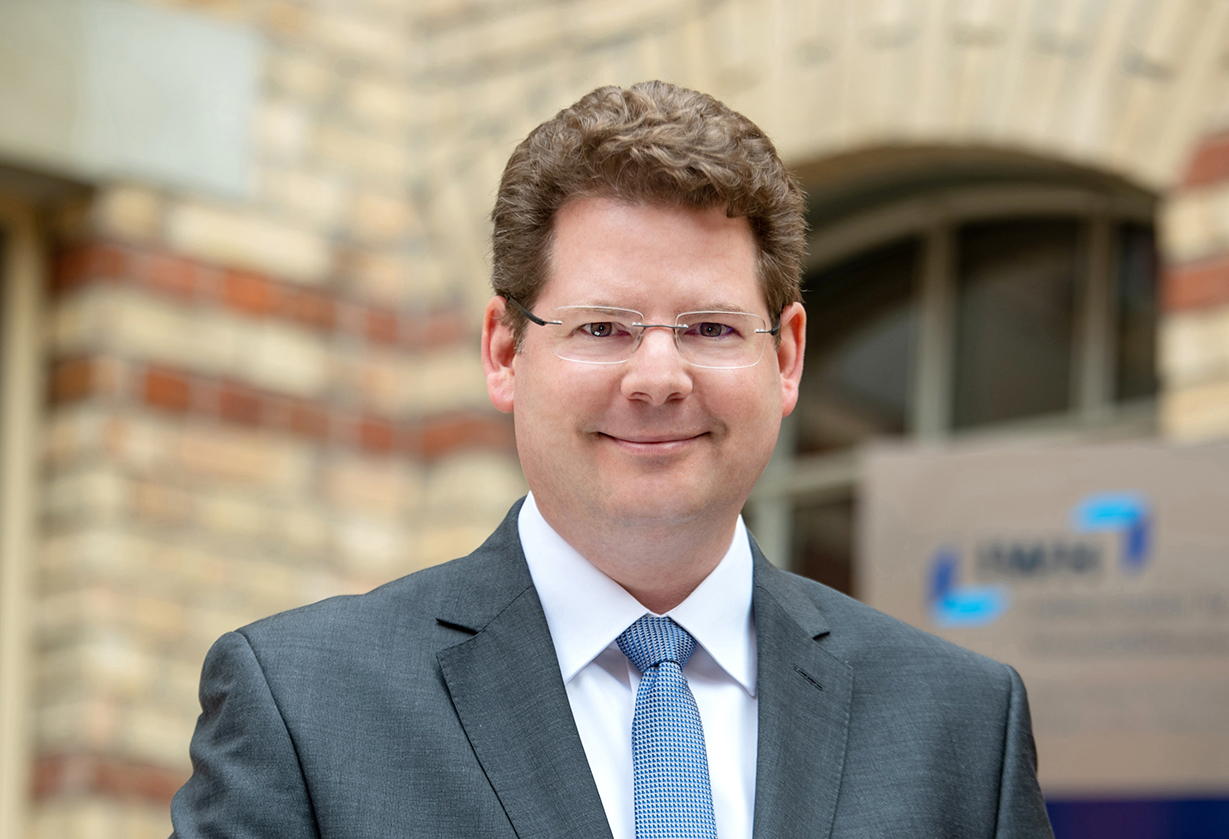
Vice President Department Head
If you have any further questions please contact me.
+49 345 7753-800 Request per E-MailFor Journalists

Head of Public Relations
If you have any further questions please contact me.
+49 345 7753-765 Request per E-MailRelated Publications

Konjunktur aktuell: Deutsche Konjunktur belebt sich – Rückenwind von Weltwirtschaft und Finanzpolitik
in: Konjunktur aktuell, 3, 2026
Abstract
Die deutsche Wirtschaft befindet sich trotz höherer Energiepreise und anhaltender Risiken durch den Golfkonflikt auf Erholungskurs. Eine steigende Auslandsnachfrage und zusätzliche staatliche Investitionen stützen die Konjunktur, während die Beschäftigung insbesondere im Verarbeitenden Gewerbe weiter rückläufig ist. Die Produktion dürfte in diesem Jahr um 1,4% und im kommenden Jahr um 0,8% zunehmen; in Ostdeutschland fällt die wirtschaftliche Erholung etwas schwächer aus.


